

ADCET's Annual Accessibility in Action Awards 2026
In recognition of Global Accessibility Awareness Day (GAAD), ADCET holds annual Accessibility in Action Awards to recognise passion, innovation, good practice and leadership in accessibility.
Our awards are held annually in line with GAAD, which occurs yearly in May. The purpose of GAAD is to get everyone talking, thinking and learning about digital access and inclusion, and the more than one billion people with disability. Winners receive a certificate and an ADCET digital badge.
Accessibility in Action nominations should meet the following criteria for individual, team or project awards:
- has been in development or delivered in 2025/2026 (could be a new or ongoing program)
- open to Australian and New Zealand tertiary education (Vocational Education & Training and Higher Ed) providers
- addresses physical, digital, learning or cultural barriers to accessibility for people with disability
- relates to an accessibility issue for students, staff or the broader community relating to your institution
- demonstrates a commitment to accessibility
Individual and Team Awards (Staff and Students)
Awards are available for individual contributions and team projects, and initiatives. This is a wonderful opportunity to recognise and celebrate the outstanding work and commitment demonstrated by staff and students who are driving accessibility and inclusion in the Australian tertiary education sector.
The Trevor Allan Award for Excellence in Disability Inclusion and Accessibility
This year ADCET is proud to continue The Trevor Allan Award for Excellence in Disability Inclusion and Accessibility.
This prestigious annual honour recognises an individual who has demonstrated unwavering commitment to enhancing accessibility and inclusion for students with disability in Australian tertiary education. Named after Trevor Allan, a distinguished leader and advocate in the disability and tertiary education sectors, this award celebrates those who have made significant, sustained contributions to creating equitable learning environments.
2026 Judging Panel
The Accessibility in Action Awards 2026 brings together a remarkable group of judges with a diverse range of perspectives and expertise. This panel unites accessibility champions, individuals with direct lived experience, and industry innovators—all dedicated to advancing inclusive design principles. Their combined insights and commitment to creating barrier-free environments enable them to identify and celebrate the most transformative accessibility solutions and initiatives that have emerged across sectors this year.
The Judges
Trevor Allan Award judge
Nominations for the Trevor Allan Award are reviewed by valued experts across the tertiary sector and the ADCET team in conjunction with Katy Lambert, daughter of Trevor Allan.
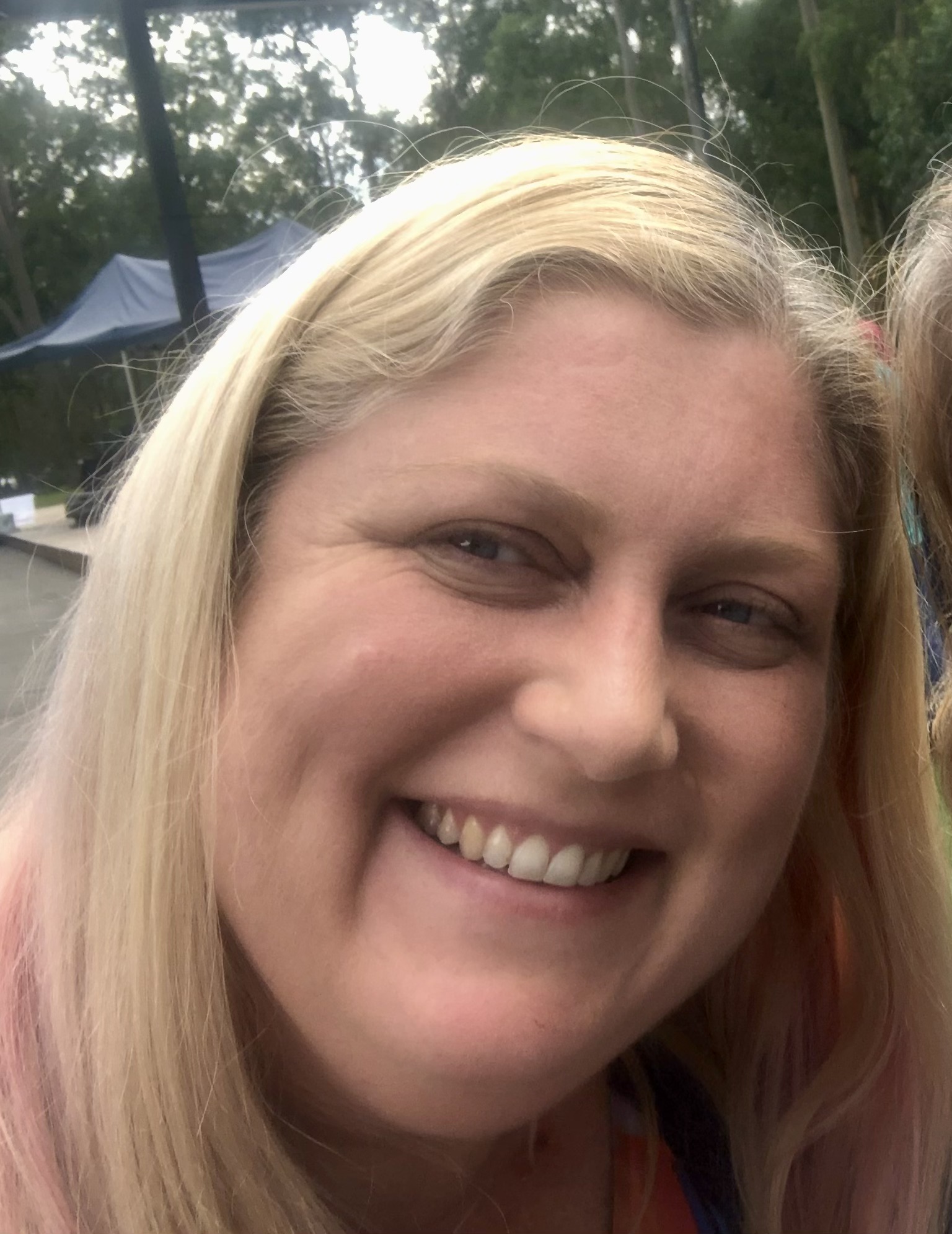
Katy Lambert is an AccessAbility Advisor at the University of Newcastle and has worked there for 17 years, currently seconded into a new role as Neurodivergent Programs and Support Coordinator. Katy has had a particular focus on working with Neurodivergent students for 10+ years and has been coordinating a Specialist Peer Mentor Program for Autistic Students at the university since 2017. During the last 3 years, Katy has been involved in developing and coordinating a 2 day Neurodivergent Orientation program, as well as a Neurodivergent Study Club that began last year. Katy also co-chairs a Neurodivergent Student Support Community of Practice across the higher education sector. Katy is passionate about removing barriers and promoting genuine inclusion for students with disability.
As Trevor Allan’s daughter, Katy is quite invested in ensuring that there are worthy recipients of this award who continue his legacy of enthusiastically working towards equity in higher education, while being willing to share skills, knowledge and support with colleagues from across the sector.
ADCET Accessibility in Action Awards judges

Dr James Brann is a senior university leader with more than 15 years’ experience improving the student experience within the higher education sector. As Pro Vice-Chancellor at the University of Tasmania, he leads major initiatives focused on widening participation, enhancing student safety, and improving completion rates for under-represented cohorts. His work brings together policy reform, data-driven planning, and student leadership to build inclusive systems and stronger student outcomes. Originally from Moree and Dubbo in regional NSW, James was the first in his family to attend university, earning a PhD in Political Science and a Master’s in Education. He is passionate about ensuring equitable access to education and creating environments where regardless of their background, you feel like they belong to high education.

Elizabeth Hitches is an advocate for accessible and inclusive practice, previously holding workshops at Griffith University, University of Tasmania, the University of Queensland, government departments, communities of practice and conferences inside and outside of Australia. Elizabeth is a co-host of the ADCET ILOTA Things podcast exploring accessibility and universal design for learning (ULD) in the age of AI. Her research interests lie in inclusive education at a national and international level, as well as equity, achievement, and wellbeing for students with disability and/or accessibility requirements (Explore Elizabeth's research here). Her research is currently exploring academic stress in higher education, and how this can be reduced in inclusive and accessible ways through a UDL lens. She is a PhD candidate at the Institute for Social Science Research, University of Queensland. She is also a sessional academic teaching in inclusive education across various universities, and a teacher of research methods at the University of Queensland. Elizabeth is a national faculty member of CAST, and an associate fellow of the higher education academy (AFHEA).
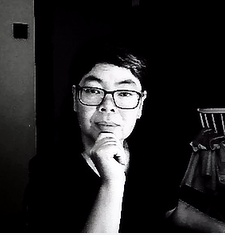
Kim Neville is the Digital Accessibility Practice Lead at the Australian National University, where they work across teaching and learning, research, and staff and student services in their current digital transformation program. With a varied background in Digital Accessibility, Human Centred Design practices, Web and content production, digital learning tools and IT Services, Kim leads strategic initiatives to ensure digital platforms and projects incorporate accessibility work to improve accessible experiences of work and study at the university. Kim and the Digital Accessibility team work collaboratively with colleges, IT teams, education designers, and university leadership to incorporate accessibility into the digital ecosystem—ranging from course materials and learning management systems to university websites and digital tools. The team also provide training, develop policy, and guide audits and remediation projects to support a digitally inclusive culture. Kim holds a Professional Certificate in Web Accessibility and post graduate qualifications in Interactive Multimedia and Sound and is an active OzeWAI member. Kim brings a strong commitment to user focused methods to design and implement digital inclusion.

Angie Tsimaras is a dedicated Biomedical Science Student at Deakin University; a NDIS Disability Support Worker; a Neurodiversity Mentor and member of Deakin University’s Access and Inclusion Student Advisory Board; and an Assistant in Qualitative Research Projects examining Disability and Neurodiversity Inclusion, and NDIS Lived Experience. A neurodiverse student themselves, Angie brings a wealth of knowledge in making spaces safe and accessible, facilitating open and inclusive discussions all the while. With experience in team leadership, partnering with organisations including Monash Health, FVREE, and the Deakin University Student Association (DUSA), they are a passionate advocate for those of all abilities and neurotypes, committed to empowering staff and students of all backgrounds to ensure successful and supportive environments.
Previous Winners
2025
- Read more about our 2025 winners
- View the Accessibility in Action Award Event 2025 and more information about our winners
2024
- Read more about our 2024 winners
- View the Accessibility in Action Award Event 2024 and more information about our winners
2023
- Read more about our 2023 winners
- View the Accessibility in Action Award Event 2023 and more information about our winners
2022
- Read more about our inaugural 2022 winners
- View the Accessibility in Action Award Event 2022 and more information about our winners